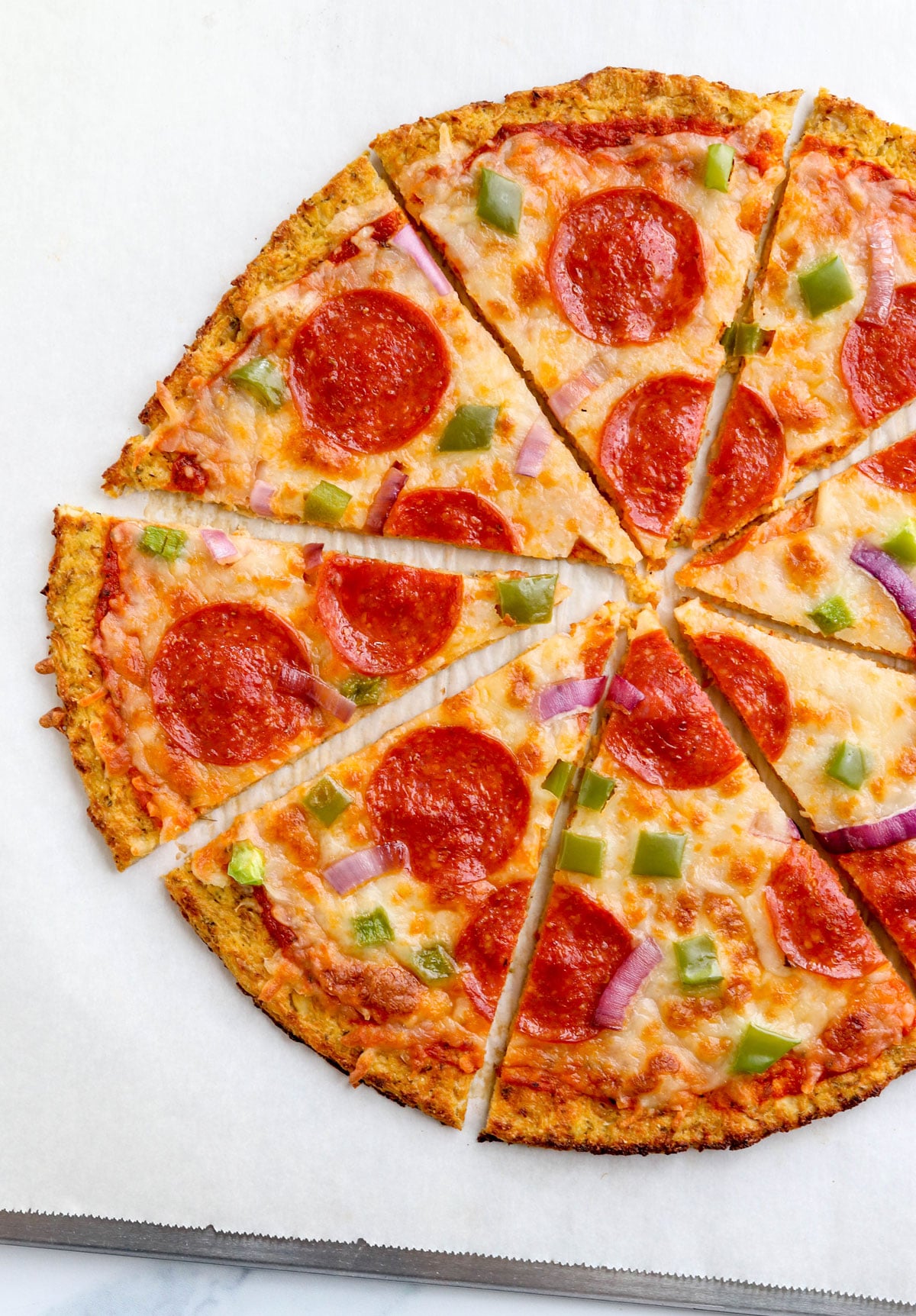
Unlock the Secret to Perfect Cauliflower Pizza Crust
For many, the thought of a cauliflower pizza crust conjures images of a soggy, crumbly mess that barely holds its shape. But what if we told you that achieving a truly crispy, delicious, and perfectly pliable cauliflower crust isn't just a dream, but an attainable reality? In a world increasingly seeking healthier, gluten-free, and low-carb alternatives, the cauliflower crust stands out as a versatile option for pizza lovers. However, mastering it requires more than just ricing a head of cauliflower and mixing it with an egg. There’s a science to it, a subtle art, and yes, the secret to perfect cauliflower pizza crust lies in understanding a few fundamental principles.
Forget everything you thought you knew about disappointing cauliflower crusts. We're about to dive deep into the crucial steps, expert tips, and insider knowledge that will transform your homemade pizza nights forever. Prepare to impress your family and friends with a crust that’s not just a healthy substitute, but a culinary delight in its own right.
The Foundation: Preparing Your Cauliflower Like a Pro
The single most critical step in achieving a successful cauliflower pizza crust is managing moisture. Cauliflower is predominantly water, and if you don't remove enough of it, your crust will inevitably turn out soggy, no matter how long you bake it. This is where most recipes fall short, and where we reveal the first layer of the secret to perfect cauliflower pizza crust.
Ricing and Cooking Your Cauliflower
First, you need to turn your head of cauliflower into "rice."
- Food Processor Method: Cut the cauliflower into florets. Pulse them in a food processor until they resemble rice grains. Be careful not to over-process, or you'll end up with a paste. Work in batches if necessary.
- Box Grater Method: For those without a food processor, a box grater with the medium-sized holes works perfectly well.
Once riced, the cauliflower needs to be cooked slightly to soften it and make it more pliable. There are a couple of popular methods:
- Steaming: Place the riced cauliflower in a microwave-safe bowl with a splash of water, cover, and microwave for 5-7 minutes until tender. Alternatively, steam in a steamer basket over boiling water for a similar duration.
- Roasting: Spread the riced cauliflower on a baking sheet and roast at 400°F (200°C) for 15-20 minutes. This method can add a slightly nuttier flavor and begin the drying process sooner.
No matter which cooking method you choose, the next step is paramount.
The Golden Rule: Squeeze, Squeeze, Squeeze!
This is arguably the secret to perfect cauliflower pizza crust – and it cannot be overstated. After cooking, let the cauliflower cool slightly until it's safe to handle. Then, transfer it to a clean kitchen towel, nut milk bag, or several layers of cheesecloth. Now, comes the workout: squeeze as much water as humanly possible out of the cauliflower. You'll be amazed at how much liquid comes out. The more water you extract, the crisper your crust will be. The goal is a dry, crumbly cauliflower "pulp."
For an in-depth guide on this crucial step and to truly understand its impact, we highly recommend reading our detailed article: Crispy Cauliflower Crust: The Dryness Secret You Need. It covers additional techniques to maximize water removal and ensures you don't miss a drop.
Crafting the Perfect Dough: Ingredients and Binding Agents
Once your cauliflower is perfectly dry, it's time to transform it into a cohesive dough. The right combination of binders and flavor enhancers is crucial for a crust that holds together, tastes great, and isn't just a vehicle for toppings.
Essential Binders and Flavor Enhancers
- Eggs: Typically one or two large eggs act as the primary binder, holding everything together when baked.
- Cheese: Finely grated Parmesan or a blend of Parmesan and mozzarella adds flavor, helps with binding, and contributes to the browning and crispiness of the crust. About 1/2 to 3/4 cup is usually sufficient.
- Flour (Optional, but Recommended): While some recipes boast "no flour," a small amount of a low-carb flour can significantly improve texture and stability.
- Almond Flour: Adds a delicate flavor and helps absorb residual moisture.
- Coconut Flour: Highly absorbent, use sparingly as it can dry out the crust quickly if too much is used.
- Tapioca Starch (or Arrowroot): A great gluten-free binder that can improve elasticity and crispiness.
- Seasoning: Don't forget to season the crust itself! Salt, black pepper, garlic powder, onion powder, and Italian herbs (oregano, basil) will elevate the flavor of your crust, ensuring it's not bland.
Mixing and Forming the Dough
In a large bowl, combine your squeezed, dry cauliflower with the eggs, grated cheese, chosen flour (if using), and seasonings. Mix thoroughly until all ingredients are well combined and you have a sticky, pliable dough. It should be firm enough to form into a ball, but still have a slight give.
Line a baking sheet with parchment paper. This is non-negotiable for preventing sticking. Lightly oil the parchment paper if desired. Transfer the cauliflower dough to the center of the parchment paper and, using your hands or a spatula, press it evenly into a round or rectangular pizza shape, about 1/4 inch thick. Pay attention to the edges; slightly thicker edges can create a nice "crust" feel.
Baking to Perfection: Preheat, Par-Bake, and Finish
The baking process for cauliflower crust is a two-stage affair, and both stages are vital for achieving that coveted crispness.
The All-Important Par-Bake
Preheat your oven to a high temperature, typically 400-425°F (200-220°C). A hot oven is essential for quick browning and crisping. For best results, preheat a pizza stone or an inverted baking sheet in the oven while it heats up. Once hot, carefully slide the parchment paper with the formed crust onto the preheated surface.
Par-bake the crust for 15-25 minutes, or until it's golden brown and firm to the touch. The exact time will depend on your oven and the thickness of your crust. Some advanced techniques involve carefully flipping the par-baked crust partway through to ensure even crisping on both sides, though this requires a delicate touch.
This par-baking step is crucial as it allows the crust to firm up and dry out further before you add toppings. Skipping or shortening this step is another common pitfall that leads to a soggy final product. If you're looking for more general strategies to nail your crust every time, explore the practical wisdom in Mastering Cauliflower Crust: Simple Secrets for Success, which provides broader advice on avoiding common mistakes.
Add Toppings and Final Bake
Once your crust is par-baked to perfection, remove it from the oven. Add your favorite pizza sauce, cheese, and toppings. Be mindful not to overload the crust, especially with wet toppings, as this can counteract all your hard work in drying it out.
Return the pizza to the oven and bake for another 8-15 minutes, or until the cheese is melted and bubbly, and the crust edges are golden brown and crispy. Keep a close eye on it to prevent burning.
Troubleshooting Common Cauliflower Crust Conundrums
Even with the secret to perfect cauliflower pizza crust now in your hands, you might encounter a few hurdles. Here's how to tackle them:
- Soggy Crust: The number one culprit is insufficient moisture removal. Did you squeeze enough water out? Was the crust par-baked long enough? Use less watery toppings.
- Crumbly Crust: This often means you didn't have enough binder (egg, cheese, or flour) relative to the amount of cauliflower, or perhaps you over-squeezed to the point of making the cauliflower too dry to bind properly. Ensure correct ratios.
- Sticking to the Pan: Always use parchment paper! And ensure it's not just "wax paper" which will smoke and burn. A light brush of oil on the parchment can also help.
- Burnt Edges, Undercooked Center: Your oven might have hot spots, or your crust might be unevenly thick. Ensure an even thickness when forming and rotate the pizza halfway through the final bake if necessary. Lowering the oven temperature slightly and baking for longer can also help achieve a more even cook.
Conclusion
Achieving the secret to perfect cauliflower pizza crust truly boils down to a few key principles: aggressive moisture removal, the right balance of binding ingredients, and proper two-stage baking. It's a journey of understanding the unique properties of cauliflower and coaxing it into becoming a sturdy, delicious base for your favorite toppings. With these detailed steps and practical tips, you are now equipped to conquer the world of homemade cauliflower pizza. Don't be afraid to experiment with different seasonings, flours, and baking times to find your ultimate perfect crust. Enjoy the process, savor the healthy results, and get ready to redefine your pizza nights!
