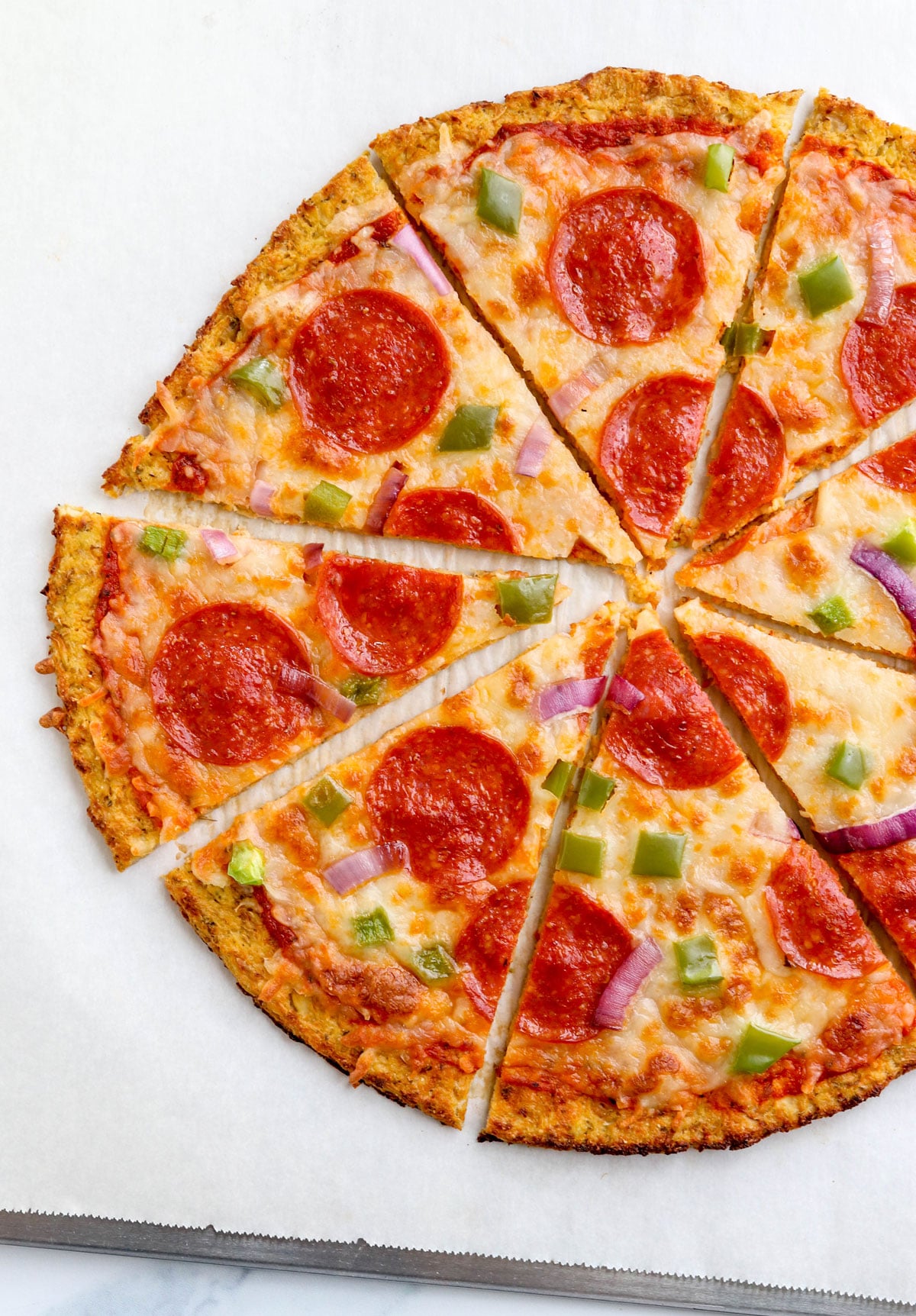
The cauliflower revolution has swept through kitchens worldwide, offering a delicious, low-carb, and gluten-free alternative to traditional grain-based dishes. Among its many triumphs, the cauliflower pizza crust stands out as a true game-changer, promising the joy of pizza without the guilt. However, many home cooks find themselves wrestling with a common nemesis: a soggy, crumbly, or unappetizing crust. If you’ve ever wondered what separates a mediocre cauliflower crust from a truly magnificent one, you're in the right place. Unlocking the secret to perfect cauliflower pizza crust isn't about magic; it's about mastering a few fundamental techniques.
From meticulous preparation to precise baking, every step plays a crucial role in achieving that coveted crispy-on-the-outside, tender-on-the-inside texture. This comprehensive guide will walk you through the simple yet powerful secrets that will transform your cauliflower crust from a kitchen challenge into a culinary triumph. Get ready to elevate your pizza nights with a homemade crust that's not only healthy but utterly irresistible.
The Foundation: Prepping Your Cauliflower for Perfection
The journey to a flawless cauliflower crust begins long before you even think about mixing ingredients. The single most critical factor determining the success of your crust is how you handle the cauliflower itself, specifically regarding its moisture content. Cauliflower is predominantly water, and if you don't remove enough of it, you're guaranteed a soggy mess.
Choosing and Ricing Your Cauliflower
- Selection: Start with a fresh, firm head of cauliflower. Avoid any with brown spots or a strong odor, which can indicate it's past its prime.
- Ricing:
- Food Processor: This is the quickest and easiest method. Cut the florets into smaller pieces and pulse them in a food processor until they resemble rice grains. Be careful not to over-process, or you'll end up with a puree.
- Box Grater: If you don't have a food processor, a box grater (using the medium-sized holes) works perfectly well.
The Dryness Secret: Removing Excess Moisture
This is where many recipes go wrong, and it truly is the dryness secret you need for a truly crispy crust. There are a few effective methods:
- Steaming and Squeezing:
- Steam the riced cauliflower in a microwave-safe bowl (covered with plastic wrap, vented) for 5-7 minutes, or in a steamer basket on the stovetop until tender.
- Let it cool slightly. This step makes the cauliflower pliable and easier to squeeze.
- Transfer the cooled, steamed cauliflower to a clean cheesecloth, nut milk bag, or even a thin, clean kitchen towel.
- Squeeze, squeeze, squeeze! This is not a gentle pat-down. You need to wring out as much liquid as humanly possible. You'll be surprised by how much water comes out. Aim for a dry, crumbly texture, almost like dry cottage cheese. This is perhaps the most labor-intensive but rewarding step towards achieving the secret to perfect cauliflower pizza crust.
- Baking/Roasting First (alternative):
- Spread the raw riced cauliflower on a baking sheet lined with parchment paper.
- Bake at 375°F (190°C) for 15-20 minutes, stirring halfway, until it's slightly dehydrated and starting to turn golden.
- Let it cool, then proceed to squeeze out any remaining moisture as described above. This method can add a slightly nutty flavor.
Remember: The drier your cauliflower, the crispier your crust. Do not skip or rush this step!
The Binding Agents: What Makes Your Crust Hold Together?
Once you have perfectly dry cauliflower "rice," the next step is to introduce the ingredients that will bind it together and give it structure and flavor. Achieving the right balance of these components is a significant part of the secret to perfect cauliflower pizza crust.
- Eggs (The Primary Binder): Large eggs are crucial. They act as the glue that holds everything together. Most recipes call for one or two eggs per head of cauliflower, depending on the size of the cauliflower and how much moisture you've removed.
- Cheese (Flavor & Secondary Binder): Low-moisture, part-skim mozzarella is a staple. It melts and helps create a cohesive dough while adding a savory, familiar pizza flavor. Parmesan cheese can also be added for an extra umami kick.
- Tip: Grate your own cheese if possible, as pre-shredded varieties often contain anti-caking agents that can affect texture.
- Flour or Starch (Optional, but Recommended for Stability): While some recipes boast "flourless," a small amount of a low-carb flour or starch can greatly improve the crust's texture and stability without significantly altering its carb count.
- Almond Flour: Adds a slightly nutty flavor and a tender crumb.
- Tapioca Starch (or Arrowroot): Excellent for achieving a chewy, crispy texture and improving flexibility.
- Coconut Flour: Highly absorbent, use sparingly, as too much can make the crust dry and crumbly.
- Seasoning (Essential for Flavor): Don't underestimate the power of seasoning!
- Salt and Pepper: Basic necessities.
- Garlic Powder & Onion Powder: Classic savory enhancers.
- Dried Herbs: Oregano, basil, Italian seasoning blend elevate the pizza experience.
- Nutritional Yeast: Adds a cheesy, umami depth without dairy.
The key is to achieve a dough-like consistency that is firm enough to shape but still moist enough to bind. If your mixture is too wet, it won't crisp; too dry, and it will crumble.
Crafting and Baking: From Dough to Delicious Crust
You've prepped your cauliflower and gathered your binders. Now, it's time to bring it all together and bake your masterpiece. This stage requires attention to detail to ensure an even cook and optimal crispness.
Mixing the Dough
- In a large bowl, combine the thoroughly squeezed cauliflower with your chosen eggs, cheese, flour/starch (if using), and all seasonings.
- Use your hands to mix everything thoroughly. You want to ensure all ingredients are evenly distributed and the mixture comes together into a cohesive "dough." It should feel like a thick, moldable paste.
Forming the Crust
Parchment paper is your best friend here. It prevents sticking and makes transferring the crust a breeze.
- Place a sheet of parchment paper on a baking sheet.
- Transfer the cauliflower mixture to the center of the parchment.
- Using your hands, a spatula, or the back of a spoon, press the mixture evenly into your desired shape (round or rectangular).
- Thickness is Key: Aim for about ¼ to ½ inch thickness. Thinner crusts will be crispier, but can be more fragile. Thicker crusts are more forgiving but might take longer to crisp up.
- Edges: You can create a slightly thicker edge or rim, just like a traditional pizza, for better structure and a satisfying bite.
- For even baking, ensure the crust has a consistent thickness throughout.
The Crucial Pre-Bake
Pre-baking is non-negotiable for a truly successful cauliflower crust. It removes any residual moisture and sets the structure, preventing sogginess once toppings are added.
- Preheat your oven to a relatively high temperature, typically 400-425°F (200-220°C).
- Bake the bare crust (on the parchment-lined baking sheet) for 20-30 minutes, or until it's golden brown, firm to the touch, and the edges are slightly crispy. The exact time will depend on your oven and crust thickness.
- Keep an eye on it – you want it cooked through but not burnt.
- Carefully slide the parchment and crust off the baking sheet onto a wire rack to cool slightly. This also helps with air circulation and prevents steaming the bottom of the crust.
Toppings and Final Bake
- Don't Overload: Cauliflower crusts are delicious but more delicate than traditional dough. Be mindful of overly wet or heavy toppings. Pat dry fresh mozzarella and cook vegetables slightly beforehand to reduce moisture.
- Final Bake: Once topped, return the pizza to the oven (often at a slightly lower temperature, around 375-400°F/190-200°C) for another 10-15 minutes, or until the cheese is melted and bubbly, and the crust is golden and crisp.
- Broiler Boost: For an extra crispy finish, you can carefully broil the pizza for 1-2 minutes at the very end, keeping a close watch to prevent burning.
- Cool Before Slicing: Allow the pizza to cool for a few minutes after baking. This helps the cheese set and makes for cleaner slices.
For even deeper insights into achieving that coveted crispness and truly unlock the secret to perfect cauliflower pizza crust, delving into specific baking temperatures and techniques is paramount.
Troubleshooting Common Cauliflower Crust Problems
Even with the best intentions, things can sometimes go awry. Here are common issues and how to fix them, solidifying your understanding of the secret to perfect cauliflower pizza crust.
Soggy Crust
- Cause: Insufficient moisture removal from the cauliflower, too many wet toppings, or not enough pre-baking.
- Solution: Squeeze harder! This is almost always the culprit. Also, ensure your pre-bake is long enough for the crust to firm up and turn golden. Blot excess moisture from toppings like mushrooms or fresh tomatoes.
Crumbly Crust
- Cause: Not enough binding agents (egg, cheese), or the cauliflower mixture was too dry from over-squeezing without adequate binders.
- Solution: Ensure you're using the correct amount of egg and cheese. Sometimes adding a tiny bit more grated cheese or a tablespoon of tapioca starch can help with cohesion.
Crust Sticking to Parchment Paper
- Cause: Crust not fully cooked, or parchment paper wasn't adequately prepared (though usually not necessary for cauliflower).
- Solution: Ensure your pre-bake is complete. If it's sticking, it might need another 5-10 minutes in the oven to fully set and release. Lightly greasing the parchment paper with cooking spray before spreading the dough can also help, though it's often not needed if the crust is properly dried and baked.
Lack of Flavor
- Cause: Not enough seasoning in the crust itself.
- Solution: Don't be shy with salt, garlic powder, onion powder, and Italian herbs. These simple additions make a huge difference in the final taste of your crust. Nutritional yeast can also add a savory, cheesy depth.
Conclusion
Achieving the secret to perfect cauliflower pizza crust is less of an enigma and more of a dedication to technique. By focusing on meticulous moisture removal, balancing your binding ingredients, and executing a thorough pre-bake, you'll consistently create a crust that is crispy, flavorful, and holds its shape beautifully. Don't be discouraged by initial attempts; like any culinary skill, practice makes perfect. Experiment with different seasonings and slight variations in baking times to find what works best for your oven and taste preferences. Embrace the process, and soon you'll be enjoying healthy, homemade cauliflower pizzas that rival any traditional pie, proving that delicious and nutritious can indeed go hand-in-hand.
