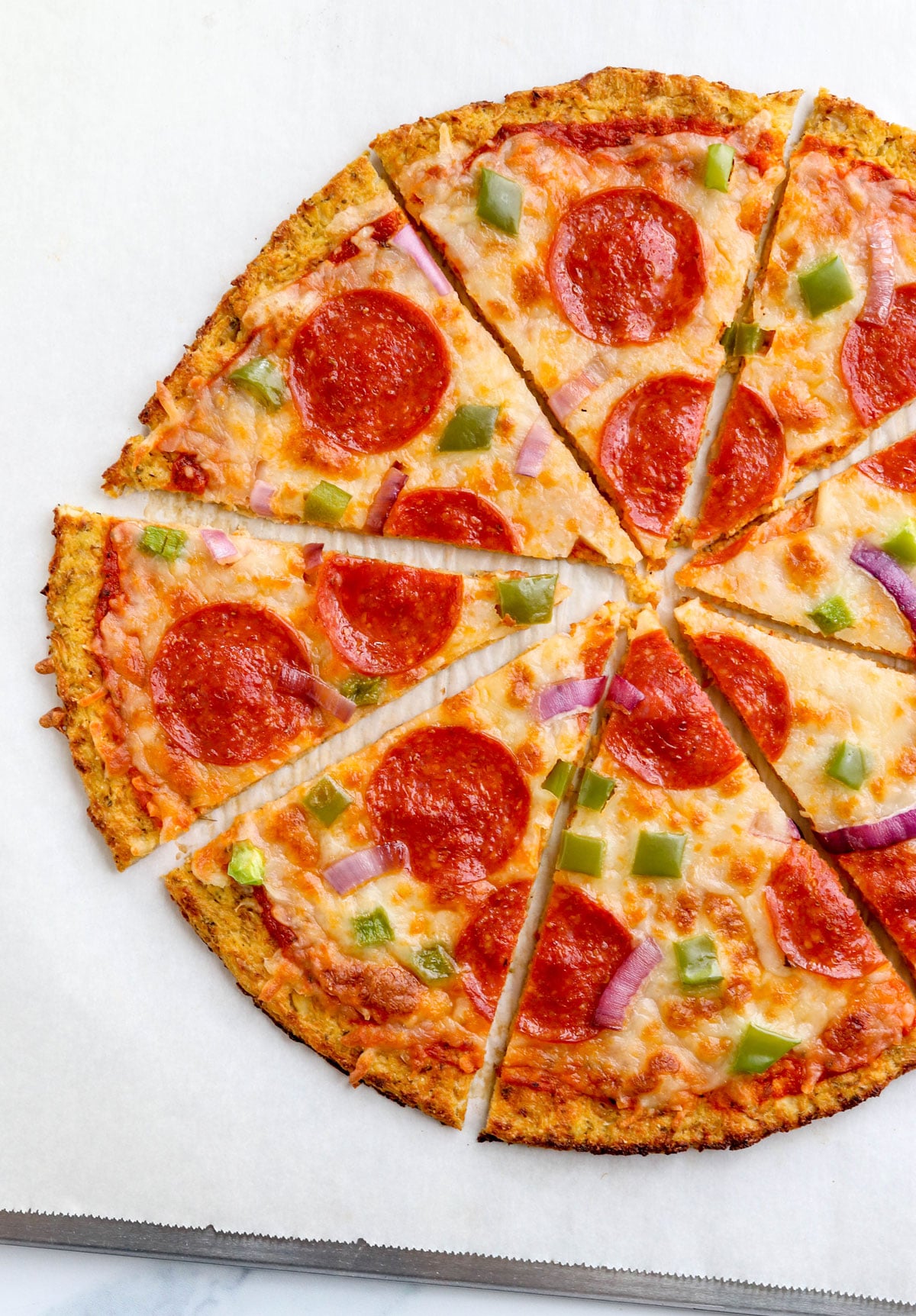
The Quest for Crunch: Unveiling the Dryness Secret to Perfect Cauliflower Pizza Crust
For too long, the promise of a healthy, gluten-free, and low-carb pizza crust has been met with the disappointing reality of a soggy, flimsy base. We've all been there: carefully preparing a cauliflower crust, only for it to collapse under the weight of toppings, leaving behind a sad, steamed texture instead of the coveted crispness. But what if there was one fundamental secret that could transform your cauliflower pizza experience from frustration to absolute triumph? There is, and it lies in a principle often overlooked: dryness. Achieving a truly crispy cauliflower crust isn't magic; it's a meticulous process of moisture elimination. This comprehensive guide will pull back the curtain on the critical techniques you need to master, ensuring every bite of your homemade cauliflower pizza is delightfully crunchy.
The Core Problem: Why Most Cauliflower Crusts Fail (and How to Fix It)
The inherent nature of cauliflower is its downfall when it comes to crust making. Unlike traditional flour, which is naturally dry and absorbs liquids, cauliflower is composed of over 90% water. Imagine trying to make a sturdy bread from a sponge saturated with water – it's simply not going to work without significant intervention. When this high moisture content is heated, it releases steam, which then gets trapped, leading to a steamed, rather than baked, product. This excess moisture also prevents the crust from browning and developing that desirable crisp texture.
Understanding Cauliflower's Hydration
To truly unlock the secret to perfect cauliflower pizza crust, we must first appreciate the adversary: water. Fresh cauliflower florets are plump and succulent, designed by nature to hold moisture. While wonderful for roasting or steaming, this hydration becomes a liability in the context of a pizza crust. The common mistake is underestimating just how much water needs to be removed. Many recipes gloss over this crucial step, or simply suggest a light squeeze, which is rarely enough to combat the vegetable's natural propensity for moisture retention. This fundamental understanding is the first step towards rectifying the soggy crust dilemma.
The Secret Weapon: Maximizing Dryness for Ultimate Crispness
This is where the rubber meets the road. If there's one take-home message for anyone striving for a truly crispy cauliflower crust, it's this: you cannot over-dry your cauliflower. Every effort you make to remove moisture will directly correlate to the crispiness of your final product. This isn't just a suggestion; it's the secret to perfect cauliflower pizza crust. Let's delve into the multi-stage process of achieving unparalleled dryness.
Ricing and Pre-Cooking: Setting the Stage
The journey to dryness begins with proper preparation.
- Fine Ricing: Start by processing your cauliflower into a fine, rice-like consistency. Larger chunks retain more water and won't bind as effectively. A food processor is your best friend here.
- Pre-Cooking Methods: Once riced, the cauliflower needs to be cooked slightly to soften it and initiate the release of water.
- Microwave Method: Place riced cauliflower in a microwave-safe bowl, cover, and microwave on high for 5-8 minutes, or until very tender. This is quick and effective.
- Steaming Method: Steam the riced cauliflower for 10-15 minutes until very tender. While slightly slower, steaming can be effective.
- Avoid Boiling: Submerging cauliflower in boiling water will cause it to absorb more water, counteracting your goal of dryness. Stick to steaming or microwaving.
After pre-cooking, allow the cauliflower to cool slightly. It should still be warm enough to handle comfortably, but not scorching hot. This initial cooking step helps break down the cell walls, making the subsequent squeezing process far more effective.
The Squeeze: Unlocking the Dryness Potential
This is arguably the most critical step, the one that separates the soggy from the spectacular. You'll need a clean, thin kitchen towel, a cheesecloth, or a nut milk bag.
- Gather the Cauliflower: Transfer the pre-cooked, slightly cooled riced cauliflower into the center of your chosen squeezing implement.
- Twist and Squeeze: Gather the edges of the cloth/bag, forming a tight ball. Now, apply significant force. Twist, wring, and squeeze with all your might over a sink or a large bowl. You will be amazed at the amount of liquid that comes out – it will look like water, sometimes a lot of it.
- Repeat (If Necessary): Keep squeezing until you can no longer extract any significant amount of water. Your cauliflower should look and feel very dry, almost like a crumbly, coarse meal. A good indicator is that a single medium head of cauliflower can release over a cup of water, sometimes more. This relentless squeezing ensures that the final crust has the least possible residual moisture.
Baking Blind: A Critical Pre-Bake Step
Even after the most vigorous squeeze, some residual moisture will remain. Blind baking (baking the crust without toppings) is your final defense against a soggy base.
- Form the Crust: Mix your thoroughly dried cauliflower with binders (eggs, cheese – see below). Press the mixture very thin and evenly onto a parchment-lined baking sheet or a preheated pizza stone. A thin crust will always be crispier than a thick one.
- High Heat, Short Time: Bake the crust in a hot oven (usually 400-425°F / 200-220°C) for 15-25 minutes, or until the edges are golden brown and the surface looks dry and slightly firm. This process allows any remaining moisture to evaporate, firming up the crust significantly before toppings are added.
- Cool Before Topping: Let the blind-baked crust cool for a few minutes before adding your sauce and toppings. This prevents steam from being trapped underneath the toppings, which could undo all your hard work.
Beyond Dryness: Complementary Techniques for a Superior Crust
While moisture removal is paramount, other elements contribute to a sturdy, flavorful, and ultimately superior cauliflower pizza crust. These techniques, when combined with the dryness secret, ensure your efforts culminate in a truly remarkable meal.
The Right Binder: Not All Cheese is Created Equal
Binders are essential for holding the crust together.
- Low-Moisture Cheeses: Opt for shredded low-moisture mozzarella or freshly grated Parmesan cheese. High-moisture cheeses (like fresh mozzarella) will reintroduce water, sabotaging your efforts.
- Egg: A single large egg acts as a powerful binder, helping the crust hold its shape. Be mindful of egg size; too much egg can make the crust rubbery.
- Optional Additions: A tablespoon or two of almond flour or psyllium husk powder can provide extra binding and structure without adding significant carbs or changing the flavor, but use sparingly to keep cauliflower as the star.
Seasoning and Flavor: Elevating Your Crust
Don't let your crust be bland. A well-seasoned crust is key to a delicious pizza.
- Classic Italian: Garlic powder, onion powder, dried oregano, basil, and a pinch of red pepper flakes all work wonderfully.
- Salt and Pepper: Essential for bringing out the flavors.
- Nutritional Yeast: Can add a cheesy, umami depth without adding dairy.
Thickness and Shape: Achieving Uniform Crispness
A thick, uneven crust is destined for sogginess in spots and undercooking in others.
- Go Thin: Aim for a thickness of about 1/4 inch (0.6 cm) or less. The thinner the crust, the faster and more evenly it will cook and crisp up.
- Even Pressure: When pressing the crust onto your baking surface, ensure uniform thickness from edge to center. This promotes even cooking and prevents some areas from remaining soft while others crisp.
- Defined Edges: Creating a slightly raised edge can help contain toppings, much like a traditional pizza, but ensure it's not so thick that it won't cook through properly.
Practical Tips and Troubleshooting for Your Crispy Masterpiece
Even with the secrets revealed, a few additional tips can smooth your path to cauliflower crust perfection. For a truly comprehensive guide on mastering all aspects of cauliflower crusts, you might find Mastering Cauliflower Crust: Simple Secrets for Success particularly helpful.
- High Oven Temperature: Cook your pizza at a high temperature, typically 425-450°F (220-230°C). High heat encourages browning and crisping.
- Pizza Stone or Steel: If you have one, use it! A preheated pizza stone or steel provides intense, even heat from below, mimicking a brick oven and delivering superior crispiness.
- Parchment Paper is Your Friend: Always use parchment paper for easy transfer and to prevent sticking. A slightly oiled parchment paper can also aid in browning the bottom of the crust.
- Don't Overload Toppings: A common mistake is piling on too many wet toppings. Stick to drier toppings or pre-cook watery vegetables (like mushrooms or onions) to remove some of their moisture before adding them to the pizza. Less is often more for a crispy crust.
- Watch for Browning: Keep an eye on the crust during the final bake. Golden brown edges indicate a well-cooked, crispy crust. Don't be afraid to let it get a little darker than you might for a traditional flour crust.
- Troubleshooting Sticking: If your crust sticks even with parchment, try lightly dusting the parchment with a tiny bit of cornmeal or semolina before pressing the crust mixture.
By integrating these practical tips with the secret to perfect cauliflower pizza crust – relentless dryness – you're well on your way to crafting a low-carb pizza that satisfies even the most discerning pizza lover. For a deeper dive into common pitfalls and how to avoid them, consider reading Unlock the Secret to Perfect Cauliflower Pizza Crust.
The days of soggy cauliflower crusts are officially over. With the knowledge that dryness is the paramount factor, coupled with meticulous preparation, proper binding, and high-heat baking, you now possess all the tools to create a truly crispy, satisfying, and delicious cauliflower pizza. Embrace the squeeze, respect the blind bake, and get ready to enjoy a low-carb pizza experience that genuinely delivers on its promise of crunch. Your perfect cauliflower crust awaits!
